November 9, 2026
Best Flour and Dough Tips for Cheese Pizza
By @finnkqya922
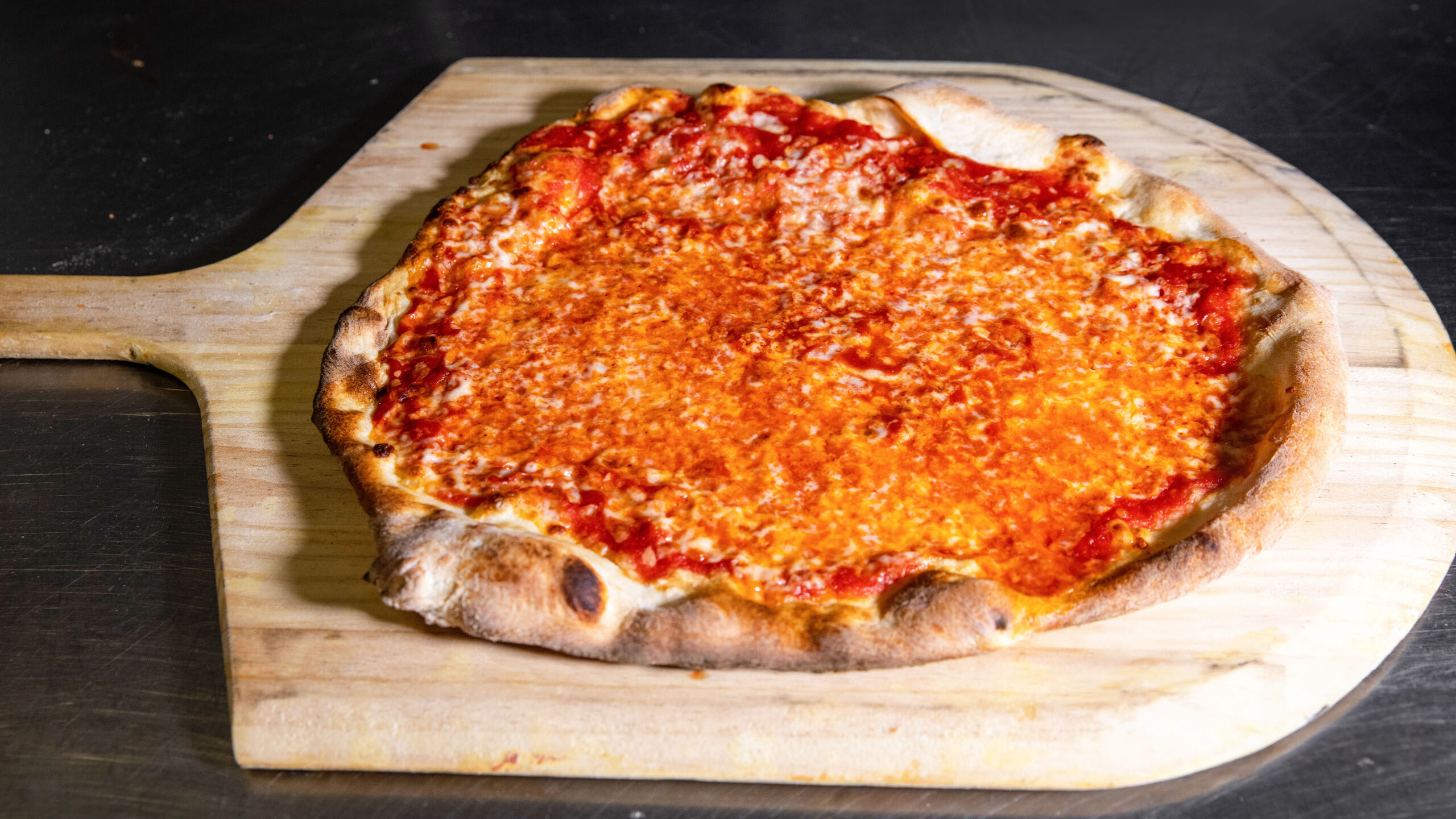
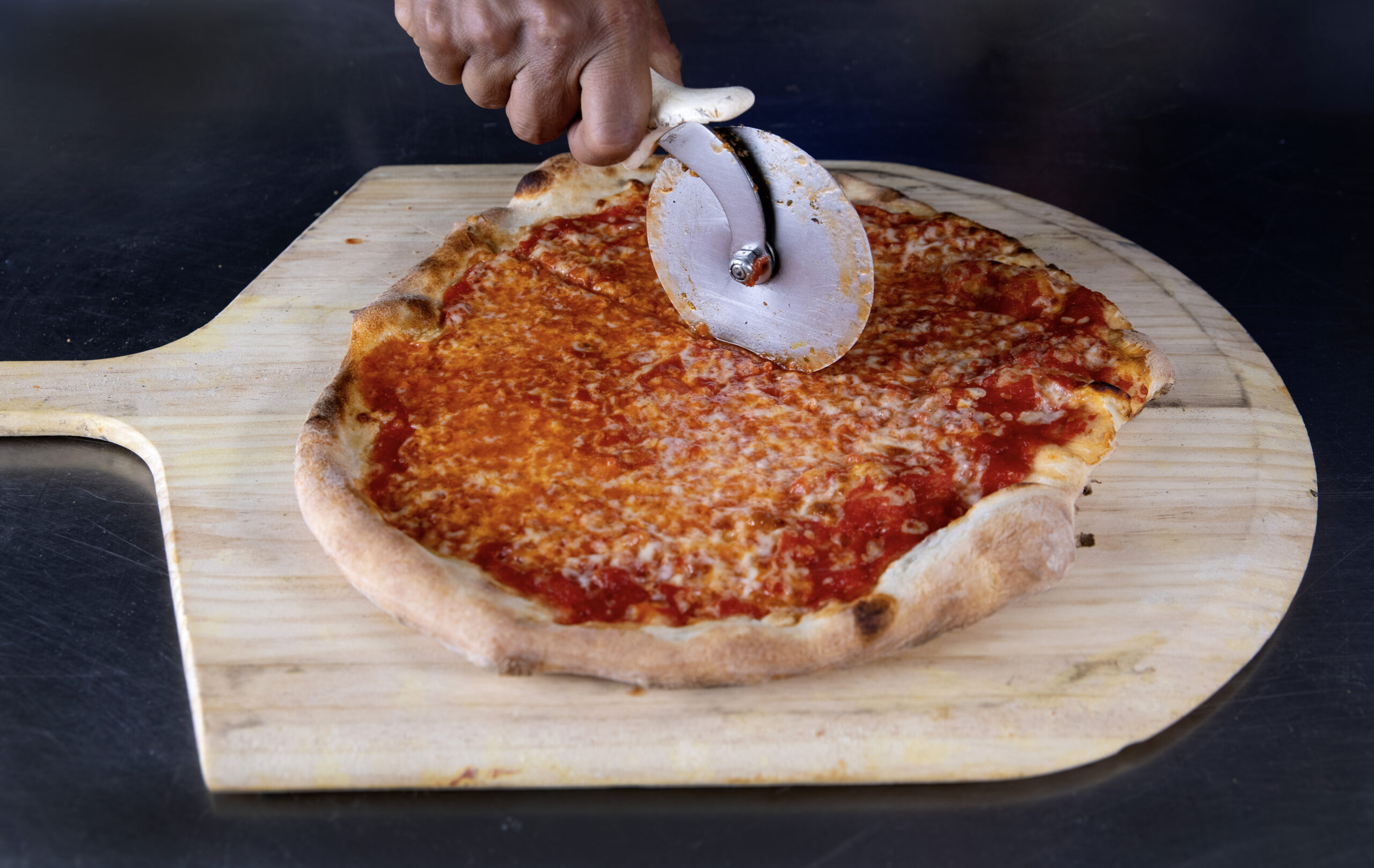
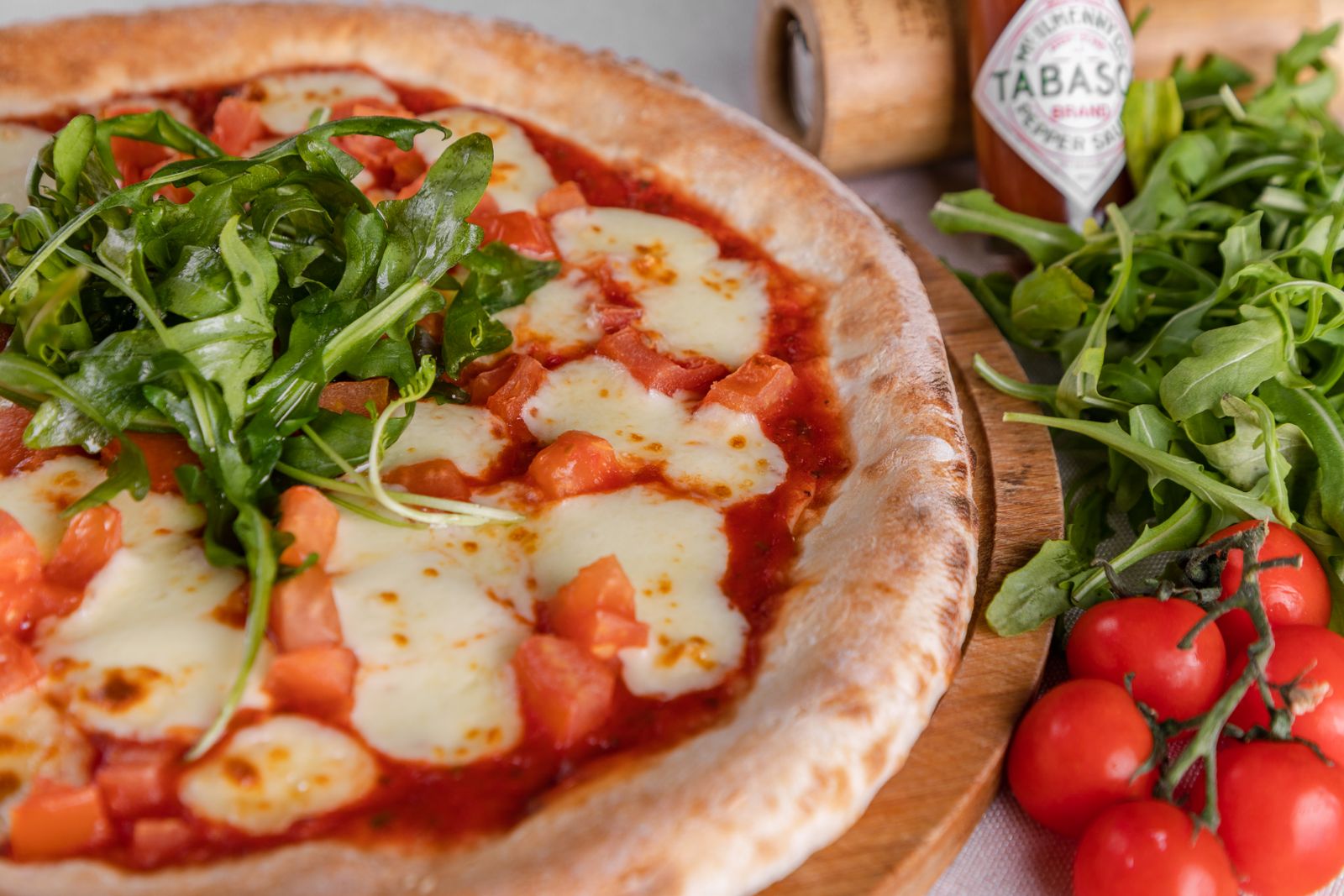
A great Cheese Pizza looks simple, which is exactly why the dough has nowhere to hide. When the topping is mostly sauce, cheese, and maybe a little olive oil, every decision in the crust shows up in the final slice. The flour choice affects chew, color, and crispness. Fermentation changes flavor and digestibility. Hydration determines whether the crumb opens Cheese Pizza into airy pockets or stays tight and bready. Even the way you ball the dough and let it rest can decide whether the pie bakes up with a lively, blistered rim or a flat edge that eats like toast.
I learned this the hard way years ago, after turning out a run of pizzas that looked respectable from the top but ate heavy through the center. The cheese browned nicely, the sauce tasted right, yet the slices lacked that mix of tenderness and structure that makes a plain cheese pie so satisfying. The fix was not a more complicated recipe. It was better judgment about flour strength, water percentage, and timing.
Cheese Pizza rewards restraint. A dough that can support five toppings is not always the dough that makes the best plain pie. You want enough strength to hold the cheese and stay crisp underneath, but not so much toughness that the crust fights back. Getting there starts with understanding flour.
Flour is the foundation, not an afterthought
People often ask for the best flour as if there is a single bag that works for every oven and style. There is not. The right flour depends on how hot your oven runs, how long you ferment the dough, and what texture you want in the finished crust.
For most home bakers making Cheese Pizza in a conventional oven, bread flour is the most reliable starting point. It usually lands around 12 to 13 percent protein, which gives the dough enough strength to trap gas and develop a good chew without turning leathery. If your oven tops out around 500 to 550°F and you bake on steel or stone, bread flour gives you margin. It browns well, handles moderate to high hydration, and tolerates a day or two of cold fermentation without collapsing.
All-purpose flour can make very good pizza too, especially if you prefer a thinner, more tender crust. It is easier to stretch, often a little less thirsty, and less likely to fight you on the bench. The trade-off is that it may not hold a dramatic, airy rim as well as stronger flour, particularly in wetter doughs. For a home-style Cheese Pizza with a balanced crust, all-purpose flour can be excellent if you keep expectations realistic and avoid overloading hydration.
Then there is Italian "00" flour, which gets romanticized far beyond what it deserves. The "00" designation tells you how finely the flour is milled, not automatically how much protein it contains or whether it is ideal for your setup. Some 00 flours are made for blazing hot wood-fired ovens and short bakes. In a cooler home oven, they can bake up paler and softer than expected. Others are blended for pizzeria use at a range of temperatures and perform beautifully. The bag matters. If you use 00 flour, read the specs and treat it as one flour among many, not as a magic upgrade.
Whole wheat flour has a place too, but for Cheese Pizza I prefer to use it sparingly. Ten to twenty percent of the total flour can add nutty depth and better aroma without sacrificing too much extensibility. Push much beyond that and the bran starts to cut gluten strands, making it harder to achieve a light rim. A plain cheese pie depends on crust elegance. Too much whole grain can make the dough feel earnest rather than delicious.
Matching flour to the pizza you want
The best Cheese Pizza dough sits in a narrow sweet spot. It should have enough structure to lift a tip without sagging and enough tenderness to bite cleanly. That balance shifts depending on the style.
If you love a New York inspired slice, strong bread flour is usually the safest bet. It helps produce the classic combination of thin center, foldable body, and crisp edge. If you are chasing a softer, more delicate pie with leopard spotting and a puffed cornicione, a suitable 00 flour or a blend of 00 and bread flour can work very well, provided your oven setup is hot enough. If you are baking on a sheet pan for a more homey Cheese Pizza, all-purpose flour can deliver a pleasing, open crumb with less chew.
A useful rule from years of testing is this: choose stronger flour for longer fermentation and hotter, drier bakes. Choose slightly softer flour when you want tenderness, shorter ferments, or pan support. Problems start when the flour and process pull in opposite directions. Very strong flour with a short same-day ferment can taste dull and feel rubbery. Weak flour with high hydration and two days in the fridge can stretch beautifully at first, then tear or bake flat.
Protein matters, but it is not the whole story
Protein percentage gets plenty of attention because it is easy to compare on the label, but two flours with similar protein can behave differently. Wheat variety, milling, ash content, enzyme activity, and how the flour absorbs water all influence dough performance. One bread flour may drink up 68 percent hydration and still feel composed. Another at the same hydration can become sticky and slack.
That is why experienced bakers stop thinking in absolutes and start reading the dough. If the dough feels dry and resists shaping after mixing, the flour may want a bit more water or a longer rest. If it turns soupy after an hour, the flour may be weaker than expected, or the room may be warmer than you realized. Recipes are essential, but they are not the finish line.
When I switch flour brands, I usually hold back 2 to 3 percent of the water on the first mix. That small pause tells me more than the bag ever will. I can always add the remaining water during mixing if the dough looks stiff. Pulling excess water out of an overhydrated dough is another matter entirely.
Hydration is where texture takes shape
For Cheese Pizza, hydration deserves careful handling because it changes the eating quality so dramatically. Lower hydration, around 60 to 62 percent, tends to produce dough that is easier to handle and bakes crisp with a tighter crumb. Higher hydration, around 65 to 68 percent, often creates a lighter rim and more open structure, but it also demands more from your flour, oven, and shaping technique.
Home bakers often chase high hydration because open crumb photographs well. For a plain cheese pie, that can be a mistake. Too much water can leave the center soft under the sauce and cheese, especially in ovens that do not deliver strong bottom heat. A balanced Cheese Pizza usually benefits from moderation. Around 63 to 65 percent hydration is a strong middle ground for many home ovens. It is wet enough to encourage a lively crust but controlled enough to bake through cleanly.
If you bake on steel and preheat aggressively, you can push a little higher. If you bake on a thin stone or a dark pan, lower hydration may actually improve the result because the base sets faster and stays crisp longer. There is no medal for the wettest dough. The best hydration is the one that gives you the texture you enjoy and fits your equipment.
Salt, yeast, and oil each leave a fingerprint
Flour leads the conversation, but the supporting ingredients matter. Salt usually belongs in the 2 to 3 percent range relative to flour weight. For pizza dough, I find about 2.5 percent especially dependable. It strengthens gluten, controls fermentation, and sharpens flavor. Undersalted dough tastes flat, which is fatal for Cheese Pizza because there are so few elements on the pie to distract from it.
Yeast quantity depends on schedule. A same-day dough might use enough yeast to become workable in a few hours, but fast fermentation can produce bread-like flavor if you rush it. For better depth, I prefer a small amount of yeast and a longer timeline, often with an overnight or two-day cold proof. Even 24 hours in the refrigerator can transform the dough, bringing a subtle dairy-like aroma and a fuller wheat taste that pairs beautifully with mozzarella.
Oil is optional, and its usefulness depends on style. In lean, classic pizza dough, no oil is needed. That keeps the crust lighter and more direct. A small amount, around 1 to 2 percent, can help tenderness and browning in a home oven, particularly if you like a slightly softer chew. More than that and the dough begins to move away from the clean, crackly texture that makes a good Cheese Pizza so appealing.
Fermentation is where average dough becomes memorable
If I had to choose between expensive flour and good fermentation, I would take fermentation every time. Excellent flour helps, but time creates flavor. It also changes handling. Properly fermented dough stretches more willingly, puffs more readily in the oven, and tastes more complete.
A same-day dough can absolutely produce solid pizza. Mix in the morning, rest, divide, ball, and bake at night, and you can feed people very well. But if you want the crust to carry a simple Cheese Pizza on its own merits, a cold ferment of 24 to 72 hours is hard to beat. The dough develops character. The wheat tastes sweeter. Browning improves. The crust gets that faint complexity that makes you keep eating even after the cheese is gone.
There is a limit, though. Very long fermentation, especially with weaker flour or warm refrigerators, can push the dough into proteolysis, where the gluten begins breaking down too far. The dough becomes sticky, fragile, and overly slack. The baked crust may spread instead of spring. This is one reason strong bread flour remains so practical. It buys you more room for error.
I often recommend 48 hours as a sweet spot for home bakers. It is long enough to noticeably improve flavor and texture, but not so long that it becomes fussy. At that point, even a straightforward Cheese Pizza can taste layered rather than plain.
Mixing and resting, the quiet skills that matter most
People tend to focus on kneading, yet dough handling before and after kneading often matters more. The goal is not simply to beat the dough into smoothness. It is to develop enough gluten for structure while preserving extensibility.
A short initial mix followed by a rest can make a dramatic difference. Once flour and water come together, even a 15 to 20 minute pause allows hydration to even out and gluten to begin organizing with less work. After that, the dough often needs less mixing than expected. This is especially useful with stronger flours, which can become tight and stubborn if overmixed.
Dough temperature matters too. If the dough leaves the mixer already warm, fermentation accelerates whether you planned for it or not. In a warm kitchen, this can throw off the whole schedule. Aim for moderate final dough temperature, not hot dough. Cool water is a simple fix when the room is warm.
Bulk fermentation should leave the dough alive but not exhausted. You want some rise, some visible relaxation, and a little gas development before dividing. Then the bench rest and ball proof finish the job. Undershot dough fights stretching and bakes dense. Overshot dough sticks, tears, and lacks spring. This is where experience earns its keep. You stop asking whether the clock says the dough is ready and start asking whether the dough itself says yes.
Dough balls, tension, and why shaping starts hours before the bake
A strong dough ball with smooth surface tension is one of the best predictors of a good crust. It does not need to be perfect, but it should feel cohesive and hold its shape rather than puddling. That tension helps the dough expand upward in the oven, which is especially valuable for Cheese Pizza because the rim contributes so much to the eating experience.
After dividing, I prefer to round the dough firmly but not aggressively. Too little tension and the ball spreads. Too much and the surface tears. A clean container with a little room to expand prevents sticking and makes opening easier later.
Before shaping, let the dough warm enough to relax. Cold dough straight from the fridge often snaps back and can tempt you into overhandling. That drives out gas and compresses the rim. A dough ball that has lost its chill but still feels cool is easier to stretch thin in the center while preserving air at the edge.
When opening the dough, restraint matters. Press from the center outward and leave a border. Avoid rolling pins for most Cheese Pizza unless you specifically want a flatter, denser style. The gas in the rim is not an accident. It is part of the crust’s texture and flavor.
Home oven reality changes your flour decision
A pizzeria deck oven and a home oven do not treat dough the same way. A commercial oven gives you intense bottom heat, strong top heat, and a short bake. Many home ovens struggle to do all three. This matters because the flour that excels in one environment may underperform in another.
In a home oven, stronger flour often helps because the dough spends longer baking and must maintain structure as moisture leaves slowly. On a preheated steel, a bread flour dough can achieve very convincing results, with crisp underside and enough spring to frame the cheese nicely. On a cooler stone, a softer flour may color well on top but leave the base pale if hydration is too high.
Cheese Pizza exposes this issue immediately. Toppings like vegetables or sausage can cover a slight weakness in the crust. Plain cheese cannot. If the center droops or the underside turns blond and soft, you feel it in every bite. This is why I usually advise home bakers to optimize for the oven they have, not the Neapolitan ideal they admire online.
Common problems and the fixes that actually work
Most pizza dough problems trace back to a few core mismatches. If the dough tears while stretching, it may be underfermented, underhydrated, or simply too cold. If it shrinks back constantly, it often needs more rest or less mixing. If it bakes up tough, the flour may be too strong for the method, the dough may be too dry, or the bake may be too long. If the center stays gummy, hydration may be too high for the oven, or the pizza may be carrying too much sauce and cheese.
A memorable example came from a test batch made with a very strong high-gluten flour at modest hydration, mixed hard and baked in a home oven. On paper, it sounded dependable. In practice, the crust came out leathery. It folded, but not in a pleasant way. The fix was not more oil or more sugar. It was switching to a slightly softer bread flour, easing up the mixing, and extending the cold ferment to 48 hours. The next batch tasted like pizza instead of effort.
Another frequent issue with Cheese Pizza is imbalance between crust and topping moisture. Fresh mozzarella can release a surprising amount of water, which makes the baker blame the dough unfairly. If your crust repeatedly goes soft in the center, look at the cheese as carefully as the flour. Draining or tearing fresh mozzarella in advance can help as much as any dough adjustment.
A practical formula that rarely disappoints
For a dependable home-baked Cheese Pizza, I like a dough built around bread flour, moderate hydration, and time. Something in the neighborhood of 100 percent flour, 63 to 65 percent water, 2.5 percent salt, a very small amount of yeast, and optional oil at 1 to 2 percent works well across many kitchens. Cheese Pizza Brooklyn Pizza Mixed just until cohesive, rested, then fermented cold for 24 to 48 hours, it produces a crust with enough chew to feel substantial and enough tenderness to keep it from becoming work.
That formula is not sacred. It is a starting point. If your oven runs cool, shave hydration slightly. If your flour absorbs aggressively, add a touch more water next time. If you love a crisper, thinner base, reduce the dough ball weight a little and stretch more assertively. Good pizza making is less about obeying fixed numbers than about learning which adjustments create the crust you actually want.
The best flour for Cheese Pizza is the one that fits your process
This is the point many bakers miss while shopping for specialty flour. The best flour is not the most expensive, the whitest, or the one with the most Italian text on the bag. It is the flour that works with your fermentation schedule, your oven, and your preferred texture.
If you are baking once a week in a standard kitchen oven and want a balanced, crowd-pleasing Cheese Pizza, a quality bread flour is usually the smartest choice. If you have a very hot outdoor pizza oven and enjoy a softer, more delicate crust with quick blistering, a well-chosen 00 flour may shine. If you prefer a more tender bite and are baking in a pan or on a sheet, all-purpose flour can be exactly right.
What matters most is learning the feel of your dough. Watch how quickly it relaxes after mixing. Notice how it stretches after an overnight rest. Pay attention to the crumb along the cornicione and the crispness under the center slice. Those details tell you more than any headline about the “best” flour ever will.
A memorable Cheese Pizza does not need a long ingredient list. It needs a dough that has been understood. When flour, water, salt, and time are chosen with care, the pie gains a kind of quiet confidence. The cheese melts into the surface, the sauce brightens the center, and the crust tastes complete on its own. That is when a simple pizza stops being simple and starts being excellent.
Brooklyn Pizza
1647 Arapahoe Ave
Boulder, CO 80302
+1 720-328-2324
FAQ About Cheese Pizza
What type of cheese is used on a cheese pizza in Boulder, CO?
The cheese varies by pizzeria. Brooklyn Pizza uses whole-milk mozzarella made in-house on its standard pies and offers a plant-based cheese option for vegan pizza. Ask the shop directly about ingredients if you have a dietary restriction.
How many slices are in a large pizza in Boulder, CO?
Slice count depends on how the shop cuts the pie. Brooklyn Pizza lists a 16-inch large pizza. If you are ordering for a group, call to confirm the number of slices or ask whether a smaller cut is available.
What is New York style pizza in Boulder, CO?
New York-style pizza usually has a thin crust and wide slices that can be folded. A classic cheese slice pairs tomato sauce with mozzarella. Brooklyn Pizza serves New York-style pizza by the slice and as whole pies.
❧