November 9, 2026
The Best Cheese Pizza for Casual Entertaining
By @finnkqya922
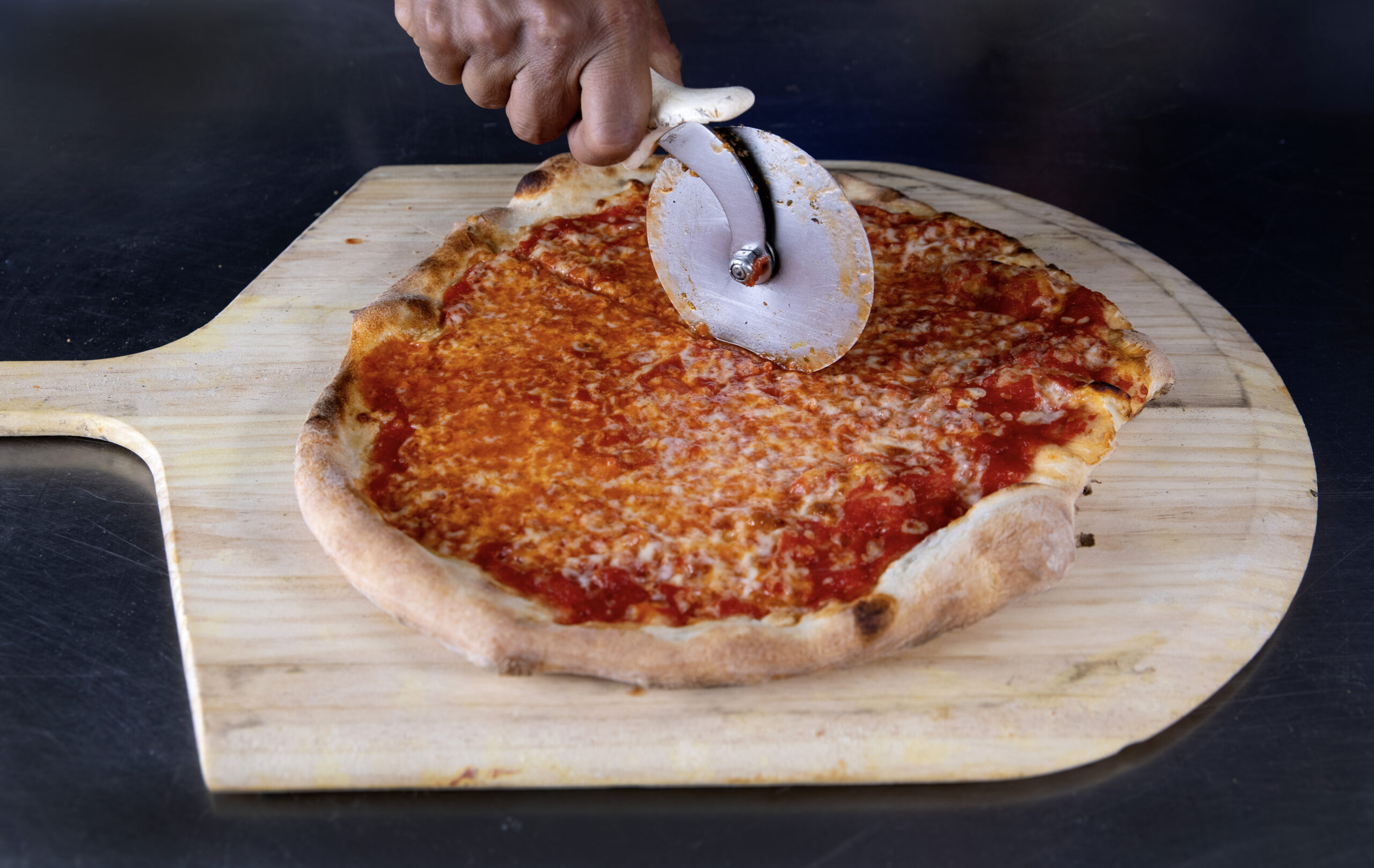
Cheese Pizza does not sound ambitious, and that is exactly why it works so well when people are coming over. A plain pie, done properly, meets the room where it is. It pleases cautious eaters, satisfies serious pizza people, and gives a host one precious advantage that matters more than culinary theater: reliability. You can serve it to children, neighbors, coworkers, in-laws, and the friend who claims not to be hungry but always reaches for a second slice. Few foods move through a mixed crowd that gracefully.
That simplicity can be deceptive. A memorable cheese pizza is not just dough, sauce, and melted cheese assembled in the obvious order. For casual entertaining, it has to solve a whole set of practical problems. It should hold well for a few minutes on the counter. It should taste good hot, warm, and at room temperature. It should slice cleanly, reheat without turning leathery, and pair with everything from sparkling water to lager to inexpensive red wine. Most of all, it should make the host look calm.
After years of feeding groups in real kitchens, including tiny apartment kitchens with one oven rack that runs hot on the left side, I have learned that the best cheese pizza for entertaining is not the most elaborate one. It is the one designed for the actual conditions of a gathering, where people arrive in waves, conversation interrupts timing, and nobody cares whether the mozzarella was hand-pulled at dawn if the center of the pie is soggy.
What “best” really means when guests are involved
At home, cooking for yourself allows for indulgence. You can make a single blistered Neapolitan-style pie, eat it immediately, and overlook the fact that it turns limp after three minutes. Entertaining changes the standard. The best pizza for a group needs a wider window of excellence.
That pushes cheese pizza toward a certain style. Very soft, high-moisture pies have their place, but they are fussy. So are overloaded versions with four cheeses and pools of oil. For a casual get-together, the sweet spot is a medium-thin to moderately thick crust, enough structure in the base to support clean slices, restrained sauce, and a cheese blend that melts evenly without flooding the surface with grease.
This is one of those cases where restraint reads as generosity. Guests can eat one slice while standing, or two slices with a salad, without feeling like they need a nap. If the evening stretches on, the pizza remains inviting. That matters more than dramatic cheese pulls.
The style that consistently wins
For entertaining, my preference is a New York-inspired home pie or a crisp pan pizza with a light hand on toppings. Both are forgiving, but for most home cooks, a classic round cheese pizza baked on steel or stone has the best balance of speed, familiarity, and crowd appeal.
A New York-style approach gives you a crust with chew around the rim and enough crispness underneath to keep the slice from drooping into a hot flap of dairy. It also scales well. You can make two or three pies in sequence and maintain consistency. Pan pizza is excellent too, especially if your oven struggles to generate strong bottom heat, but it feels heavier. Cheese Pizza For a crowd that will be grazing over an evening, standard round cheese pizza usually disappears faster.
The key is avoiding extremes. Too thin, and slices can go cracker-dry while waiting to be served. Too thick, and the dough dominates the bite. A crust around a quarter-inch in the center, with a distinct but not oversized edge, lands in a very comfortable middle.
Dough is where entertaining success starts
People talk about cheese, and understandably so, but dough determines whether service feels smooth or frantic. For entertaining, you want dough that is flavorful, extensible, and easy to handle under pressure. That usually means making it ahead.
Cold-fermented dough, rested in the refrigerator for anywhere from 24 to 72 hours, offers two advantages. It develops better flavor, and it becomes easier to stretch cleanly. You are less likely to fight shrink-back or tear the center while guests are already opening drinks in the next room. A same-day dough can work, but it asks for more attention and gives you less margin.
Hydration matters too. Moderately hydrated dough, roughly in the low-to-mid 60 percent range, tends to be easier for most home ovens. It stretches nicely without becoming sticky chaos on the peel. If you are entertaining, chaos is the enemy. Your goal is not to prove a technical point. Your goal is to make excellent pizza and stay in the conversation.
A little olive oil in the dough is optional, but for casual hosting I do not mind it. Purists may prefer none, yet a small amount can improve tenderness and make the dough slightly more forgiving if a pie sits for a few extra minutes before slicing.
Sauce should support, not dominate
A lot of home pizza sauce is simply too aggressive. Heavy garlic, lots of dried herbs, sugar used as a shortcut for weak tomatoes, or a long-cooked texture that sits on the dough like pasta topping. Cheese pizza needs a quieter sauce.
For entertaining, the best version is usually uncooked or barely cooked. Crushed tomatoes, a little salt, perhaps a touch of olive oil, and not much else. If the tomatoes are good, that is enough. If they are mediocre, cooking them into submission rarely helps. What you want is bright acidity, natural sweetness, and a loose but not watery consistency.
A restrained layer of sauce solves several hosting problems at once. It keeps the crust from turning soggy, lets the cheese brown attractively, and ensures that the pizza still tastes balanced after cooling slightly. It also improves slice stability, which is a polite way of saying fewer drips on people’s shirts.
The best cheese is almost never just one cheese
When people picture Cheese Pizza, they often imagine mozzarella and stop there. Mozzarella is essential, but using only fresh mozzarella on a home-baked pie can be disappointing for a crowd. It sheds moisture, browns unevenly, and leaves wet gaps unless you manage it carefully. Using only low-moisture mozzarella can taste flat. The best entertaining pizza usually comes from a blend.
A very dependable approach is low-moisture whole-milk mozzarella as the base, with a smaller amount of provolone, fontina, or a restrained dusting of Parmesan or pecorino. The mozzarella gives stretch and familiar flavor. Provolone or fontina adds depth. A little aged cheese sharpens the finish and makes the whole pie taste more complete without shouting.
This is not about making the pizza fancy. It is about giving it range. A blended cheese pizza tastes more interesting over the course of several bites, which matters when it is the centerpiece of easy entertaining rather than a quick lunch over the sink.
One practical note from experience: grate your own cheese if you can. Pre-shredded cheese is convenient, but anti-caking agents can interfere with smooth melting. For weeknight survival, that trade-off may be worth it. For guests, the five extra minutes with a box grater usually pay off.
Browning, blistering, and the fine line before grease takes over
Good cheese pizza needs color. Pale cheese looks unfinished, and bland pizza often is. At the same time, too much browning can push the top into an oily layer that separates from the sauce and toughens as it cools. The target is mottled gold with a few deeper spots, not a uniform orange lid.
This is where quantity matters more than many home cooks realize. Excess cheese is one of the most common entertaining mistakes because it seems generous. It also prevents evaporation, releases more fat, and weighs down the center. A slightly lighter hand produces a cleaner slice and a brighter flavor. Guests rarely say, “I wish this had two more handfuls of mozzarella.” They do notice when the top slides off in one molten sheet.
If you want to create that restaurant-style finish at home, heat your baking surface thoroughly and trust the oven. A fully preheated stone or steel makes the bottom set quickly so the top can finish before the interior turns soggy. Most home ovens need at least 45 minutes to get there, sometimes an hour. When I see disappointing homemade pizza, underheating the baking surface is almost always part of the story.
How to make service feel easy
Entertaining is not just cooking. It is pacing. The best cheese pizza for a party fits a rhythm that keeps you present with your guests instead of pinned to the oven door.
Here is the service pattern that works best in real life:
- Make dough ahead and portion it before the day of the gathering.
- Prep sauce and grate cheese several hours in advance.
- Stretch one pie as guests arrive, then bake the next while the first is being eaten.
- Slice each pie into smaller pieces than usual, often six or eight narrow slices for a standard home pizza.
- Hold back one dough ball in case the evening runs longer than expected.
Those smaller slices are not a trivial detail. They encourage sampling, reduce waste, and let people return for more without committing to a full wedge. At casual gatherings, smaller slices keep the pizza moving through the room. A Cheese Pizza whole large slice can feel like dinner. A narrower one feels like hospitality.
Timing also matters. Sending out one giant wave of food at the start can create a scramble, then a lull. Pizza is better when it appears in rounds. That gives the evening shape and keeps the kitchen active without making the host disappear. The room feels looked after.
Why cheese pizza beats heavily topped pies for mixed company
Specialty pizzas are fun, but they can complicate a relaxed evening. Toppings cook at different speeds, release different amounts of moisture, and carry stronger opinions. Pepperoni may be a universal favorite in theory, but in a real group you may have vegetarians, spice-averse kids, or guests who simply prefer a simpler bite.
Cheese pizza avoids nearly all of those friction points. It is not a compromise. It is a baseline everyone understands, and when made well, it becomes the pie people remember. There is a reason excellent pizzerias are judged by their plain slice. Without toppings to hide behind, every choice is exposed. The crust must be right. The sauce has to be balanced. The cheese has to melt beautifully.
For a host, this is liberating. Instead of juggling multiple topping combinations and trying to predict who wants what, you can focus on execution. And if you do want variety, it is smarter to keep the main pizza simple and vary the sides, drinks, or a single secondary pie.
The oven reality most hosts need to respect
Professional pizza ovens run hotter than home ovens by a wide margin. There is no shame in adapting. Many people chase a style their equipment cannot truly support, and the result is frustration. Casual entertaining goes much better when you build a pizza around the strengths of your oven.
If your oven tops out around 500 to 550 degrees Fahrenheit, which many do, lean into a style that thrives there. Use a steel if possible for stronger bottom heat. Keep toppings sparse. Stretch the dough evenly and avoid a center that is too thin. If your broiler is effective, a brief finish under the broiler can help color the cheese after the crust sets, but stay close. The jump from golden to scorched can happen in under a minute.
I have seen more party pizzas ruined by overconfidence than by lack of ambition. A host tries to launch a very delicate, heavily dressed pie on a lightly floured peel, it sticks, folds, and becomes a kitchen rescue project while guests pretend not to hear the swearing. A slightly sturdier cheese pizza, built with intention, avoids that drama.
The side dishes that make cheese pizza feel complete
Cheese pizza carries a meal, but a few thoughtful accompaniments turn it into entertaining. The trick is to choose sides that refresh the palate instead of competing with the pie. Crisp bitterness, acidity, and crunch all help.
A simple salad with sharp vinaigrette is the classic answer for good reason. So are marinated olives, roasted peppers, or a platter of raw vegetables with a bright dip. What you are looking for is contrast. Rich dairy and baked dough need something brisk nearby.
If you want a practical framework, these pairings rarely miss:
- A bitter greens salad with lemony dressing
- Marinated olives or pickled vegetables
- Good sparkling water, cold beer, or uncomplicated red wine
- Warm chili honey on the side for guests who want contrast
- A simple dessert, such as fruit or cookies, rather than something heavy
That chili honey note deserves a mention. Served on the side, not baked on, it gives people a way to personalize a plain cheese pizza without complicating the pie itself. The same goes for red pepper flakes, grated Parmesan, or garlic oil. Keep the base universal, then offer optional intensity.
The details guests notice without naming them
People may not identify why one pizza feels more polished than another, but they notice the cumulative effect of small decisions. Slices cut cleanly instead of dragging molten cheese into ragged strands. The crust stays crisp underneath for a reasonable stretch of time. The sauce does not flood the plate. There are napkins within reach. The pizza arrives on a board or tray that fits the setting, not balanced on the back of a sheet pan as the host apologizes.
Temperature management plays into this too. Resting a pizza for a minute or two before slicing is not hesitation, it is good judgment. The cheese settles, the crust firms, and the slices separate neatly. Cutting immediately often creates a sloppy center. Waiting too long dulls the experience. The right pause is brief and deliberate.
I also recommend serving the first pie slightly earlier than you think you need to. Hungry guests are generous about imperfections, but people kept waiting become amateur critics. Once the first pizza is out, everyone relaxes.
When store-bought is the smart choice
There is no rule saying the best cheese pizza for entertaining must be fully homemade. If your local pizzeria makes a strong plain pie, ordering in can be the right call, especially if your role is hosting a larger event where your attention matters more elsewhere. What separates a thoughtful host from a stressed one is judgment.
Even then, quality control still matters. Ask for pies slightly less done if they will sit for a bit before serving, then finish slices briefly in a hot oven if needed. Order fewer topping-heavy pizzas and more cheese pizza than you think. Plain slices always go. If you are serving children and adults together, the ratio becomes even clearer.
You can also split the difference. Buy dough, make your own sauce and cheese blend, and bake at home. Or order one excellent cheese pizza and supplement with a homemade salad and dessert. Casual entertaining does not reward purity. It rewards smart decisions that make the evening feel generous and unforced.
A final note on what makes people come back for another slice
The best Cheese Pizza for casual entertaining is not the one that shows off the most. It is the one that makes people linger near the kitchen, ask whether there is another pie coming, and take a last small slice even after saying they are full. That usually comes from balance more than bravado.
You want a crust with structure and life, sauce with brightness, cheese with depth, and enough restraint that the whole thing stays in focus. You want a pie that survives the real conditions of hospitality, where music is playing, doors are opening, drinks need refilling, and the host has better things to do than troubleshoot a collapsed center crust.
There is something quietly sophisticated about serving an excellent plain pizza. It shows confidence. It says you understand what people actually enjoy eating together. No one needs a lecture about flour protein or a tour of your fermentation schedule. They need a hot slice, a good drink, and a room that feels easy.
That is why cheese pizza remains one of the smartest foods a host can choose. Simple on paper, exacting in practice, and unusually generous at the table, it does what casual entertaining should always do. It makes everyone feel at home.
Brooklyn Pizza
1647 Arapahoe Ave
Boulder, CO 80302
+1 720-328-2324
FAQ About Cheese Pizza
What type of cheese is used on a cheese pizza in Boulder, CO?
The cheese varies by pizzeria. Brooklyn Pizza uses whole-milk mozzarella made in-house on its standard pies and offers a plant-based cheese option for vegan pizza. Ask the shop directly about ingredients if you have a dietary restriction.
How many slices are in a large pizza in Boulder, CO?
Slice count depends on how the shop cuts the pie. Brooklyn Pizza lists a 16-inch large pizza. If you are ordering for a group, call to confirm the number of slices or ask whether a smaller cut is available.
What is New York style pizza in Boulder, CO?
New York-style pizza usually has a thin crust and wide slices that can be folded. A classic cheese slice pairs tomato sauce with mozzarella. Brooklyn Pizza serves New York-style pizza by the slice and as whole pies.
❧