November 9, 2026
Why a Great Cheese Pizza Starts With Great Dough
By @finnkqya922
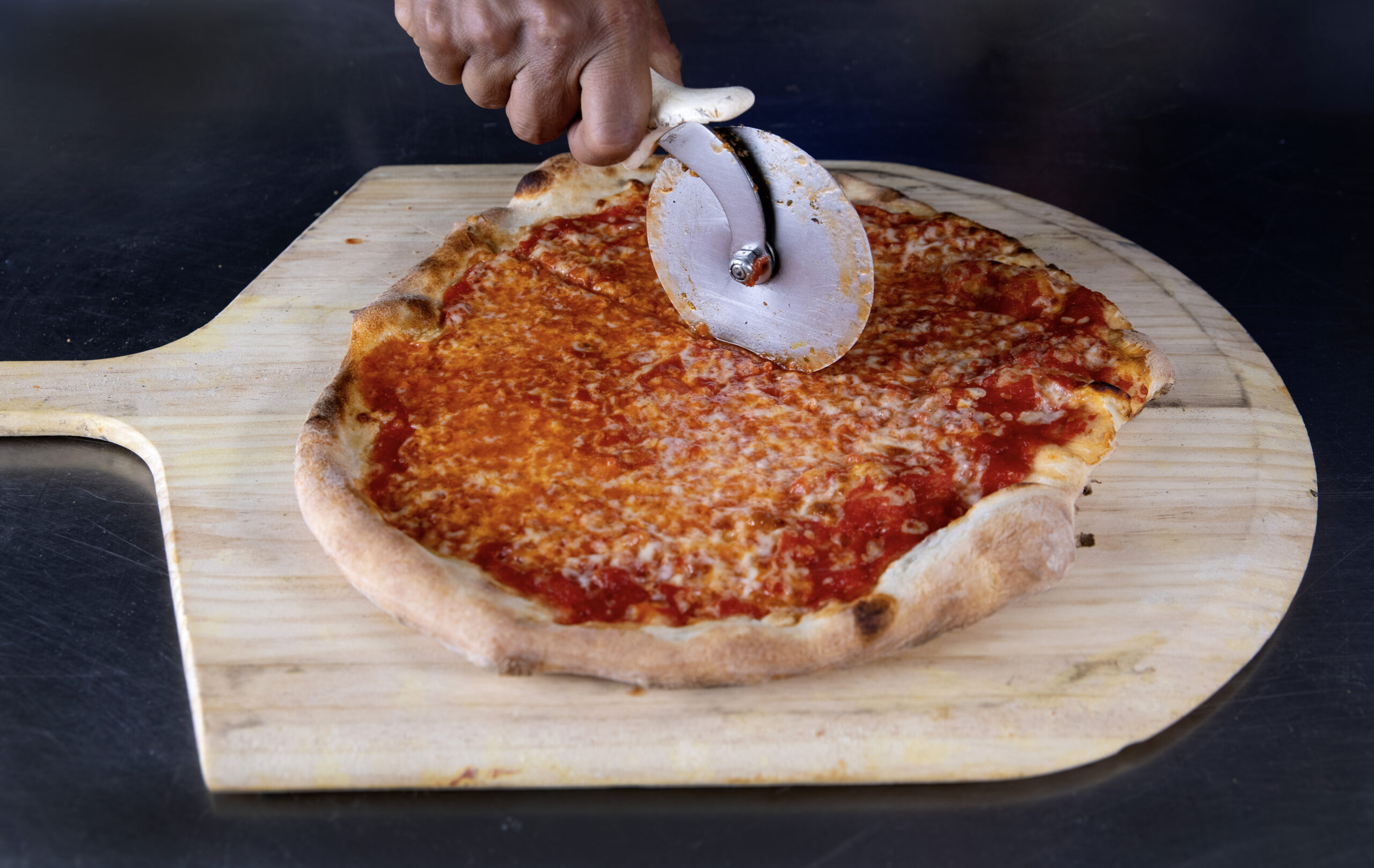
Ask a room full of pizza lovers what makes a memorable cheese pizza, and most people will start with the obvious answers: rich mozzarella, balanced sauce, maybe a blistered top with browned spots and a little oregano. Those details matter. They are easy to see, easy to taste, and easy to talk about. But the part that decides whether the whole pie feels alive or flat is the dough.
That is true in a wood-fired pizzeria, in a neighborhood slice shop, and in a home kitchen with a steel on the top rack of the oven. Cheese can hide a few flaws. Sauce can distract from others. Dough cannot fake quality. It is the structure, the aroma, the chew, the crispness at the edge, the tenderness beneath the sauce, and the flavor that lingers after the last bite. On a cheese pizza, where toppings do not compete for attention, the dough is not just the base. It is half the meal.
People who make pizza for a living learn this quickly. If the dough is weak, dense, under-fermented, over-proofed, or bland, every other ingredient has to work harder. If the dough is well made, even a modest cheese pizza can feel complete and deeply satisfying. That is why the best pizza makers spend so much time talking about flour, hydration, fermentation, and oven behavior. It is not culinary theater. It is where the result is decided.
Cheese pizza leaves nowhere to hide
A loaded pizza gives the baker some cover. Pepperoni contributes fat and spice. Sausage brings salt and fennel. Vegetables add moisture and sweetness. With enough toppings, diners may not notice that the crust tastes of almost nothing or that the crumb is tight and dry. Cheese pizza strips all that away.
On a simple pie, you notice whether the crust smells wheaty and slightly toasted or merely baked. You notice whether the bottom has a clean, crisp bite or turns leathery as it cools. You notice whether the rim is airy and light or heavy enough to feel like breadsticks. A great cheese pizza is almost unforgiving in that sense. It reveals the dough maker’s judgment in every bite.
That is one reason experienced pizza cooks often judge a new shop by a plain slice first. Not because simplicity is easier, but because simplicity is honest. A basic cheese pizza tells you whether the maker understands balance. Too much dough strength and the crust fights back. Too little and the slice droops, tears, or collapses under its own weight. Too much color and it tastes bitter. Too little and it tastes steamed rather than baked. There are no distractions.
Dough brings flavor long before cheese enters the oven
People sometimes describe dough as neutral, which usually means they have only eaten bad dough. Properly fermented pizza dough has flavor of its own. Not loud flavor, not the sourness of a rustic loaf, but a gentle complexity: dairy notes from fermentation, sweetness from starch conversion, nuttiness from toasted flour, and a faint tang that keeps the whole pizza from tasting one-dimensional.
When those flavors are present, the cheese tastes better too. Mozzarella is milky and mild. It needs a crust that can support it, not one that disappears underneath it. A well-fermented dough provides contrast. The browned edge echoes the caramelized spots on the cheese. The interior crumb softens the salt in the sauce. The base gives each bite a sense of progression, from crisp exterior to tender middle to molten top.
In practical terms, this is why a dough mixed in haste and baked the same day rarely produces a truly memorable cheese pizza. It may be acceptable. It may even be pleasant if the oven is hot and the toppings are good. But flavor development takes time. In many kitchens, the sweet spot is somewhere between twenty-four and seventy-two hours of cold fermentation, depending on flour, yeast level, and temperature control. That window allows enzymes to begin breaking down starches into sugars, which improves both flavor and browning. It also gives gluten time to relax, so the dough stretches more gracefully and bakes with a lighter texture.
There is no magic number that fits every formula, and anyone who claims otherwise is overselling certainty. A 24-hour dough can be excellent. A 72-hour dough can be overripe if the yeast level is too high or the refrigerator runs warm. The point is not a single timetable. The point is that great cheese pizza usually comes from dough that has had enough time to become itself.
Texture is where great dough earns its reputation
The first bite of pizza is often judged by texture before flavor has fully registered. The ear hears the faint crackle of the underside. The teeth meet resistance, then give. The crumb springs back rather than compressing into paste. The rim tears cleanly. These are subtle cues, but they shape the whole eating experience.
For cheese pizza, texture has to do several jobs at once. The dough must support sauce and melted cheese without turning soggy. It must stay tender enough to fold, if the style invites folding. It must remain pleasant after a few minutes on the plate, which is harder than it sounds. Many mediocre pizzas are enjoyable only in the first thirty seconds, when residual heat disguises structural flaws. As the slice cools, the bottom softens, the crust toughens, and the whole thing feels dull. Good dough holds up longer.
That resilience comes from a series of decisions rather than any single trick. Hydration matters, but not in isolation. A very wet dough can create an open, dramatic crumb, yet if the flour lacks strength or the bake is incomplete, the center will stay gummy. Lower hydration may produce a cleaner slice and a crisper base, especially in a home oven. Mixing matters too. Under-mixed dough may not trap gas efficiently. Over-mixed dough can become too tight and oxidized, bleaching both flavor and color. Balling, proofing, and stretching all leave fingerprints on the final texture.
At the shop level, these details separate good pizza from repeat-worthy pizza. I have seen teams upgrade cheese, switch sauce suppliers, and even buy new ovens, only to discover that their real improvement came after they stabilized the dough process. Once the dough became consistent, everything else snapped into focus.
Flour choice shapes the personality of the crust
Flour is often discussed as if it were a ranking system: stronger is better, higher protein is premium, imported is superior. Reality is less tidy. Flour determines how the dough behaves, but the best flour is the one that matches the style, fermentation plan, and baking environment.
A high-protein flour can produce excellent structure and oven spring. It is useful when you need strength for long fermentation or high hydration. But if you use too much strength in a moderate home oven, especially for a simple cheese pizza, the crust can turn chewy in the wrong way. It may feel rubbery rather than supple. A softer flour may bake up more tender and more balanced under the lower heat of a domestic oven.
Italian 00 flour gets a lot of attention, some of it deserved, some of it driven by romance and marketing. In very hot ovens, certain 00 flours perform beautifully because they brown with restraint and allow the crust to stay delicate while charring in spots. In a cooler oven, that same flour may come out pale unless the formula is adjusted. Bread flour, all-purpose flour, and blends can all produce excellent cheese pizza when handled well. There is no universal winner.
What matters most is understanding what your flour wants to do. Some flours absorb more water. Some mature more quickly in fermentation. Some tighten up after mixing and need more rest. The best dough makers are not loyal to labels so much as they are attentive to behavior. They touch the dough, watch how it relaxes, notice how it opens, and adapt.
Fermentation is where dough stops tasting generic
If flour gives dough its potential, fermentation develops its character. This is the stage many casual cooks underestimate because the dough looks inert in the refrigerator. In truth, a lot is happening. Yeast produces gas. Enzymes continue converting starches. Organic acids develop in small amounts. Gluten slowly changes from something tense and resistant into something extensible and alive.
For a cheese pizza, this matters more than people expect. Fermentation affects flavor, of course, but it also affects color, digestibility, and handling. A dough with insufficient fermentation often bakes pale and dense. It resists stretching, then snaps back. Because the gluten has not relaxed enough, the pizza maker may use more force opening it, pushing out gas and ending up with a flatter rim. On the other side, a dough that has fermented too far becomes sticky, fragile, and prone to over-browning. It may taste alcoholic or overly tangy. It may launch beautifully but bake into a weak, floppy slice.
This balance is one of the most instructive parts of pizza making. There is no button you press for perfection. You are managing time, temperature, and yeast, while also accounting for the reality of your kitchen. A dough fermented in winter behaves differently from one fermented in July. A refrigerator set to 38 degrees behaves differently from one that drifts into the mid-40s every time the door is opened. Shops solve these variables with systems and discipline. Home cooks solve them with observation and notes.
One habit that improves dough faster than almost anything else is simple record-keeping. Write down flour type, water percentage, yeast amount, room temperature, refrigerator time, and how the dough felt when you shaped it. After three or four rounds, patterns emerge. That knowledge is worth more than blindly copying a formula from someone baking in a completely different environment.
The best cheese pizza depends on balance, not excess
There is a temptation, especially among enthusiastic home bakers, to chase dramatic crust at the expense of harmony. Huge air pockets, extreme char, and very high hydration photograph well. They do not always eat well. On a cheese pizza, dough should be expressive, but it should not dominate to the point that every bite becomes mostly bread.
That trade-off shows up clearly in rim size. A big, ballooned cornicione can be beautiful, and in some styles it is exactly right. But if it leaves a narrow strip of sauced center, the pie stops functioning as a balanced cheese pizza and starts behaving like a tasting exercise in crust architecture. Most diners want each slice to carry enough sauce, cheese, and crust to feel complete. The best dough supports that balance. It does not steal the spotlight from it.
The same logic applies to crispness. A cracker-thin, very dry crust may provide wonderful crunch on the first bite, but if it shatters under the cheese or tastes brittle rather than baked, it can make the pie feel less satisfying. At the other extreme, a very soft base may showcase tenderness but fail to hold the cheese pizza together. Great dough threads the needle. It has structure without stiffness, lightness without fragility.
Heat and dough are partners
Dough quality cannot be separated from the oven. A formula that thrives at 850 degrees can struggle at 550. A dough designed for a deck oven may need adjustment in a steel-backed home setup. This is not a limitation so much as a reminder that pizza is a system.
In high-heat ovens, dough often benefits from a formulation that resists over-browning before the crumb sets. In lower-heat ovens, the baker may want a little more sugar development through fermentation, or a flour that colors more readily, so the pizza does not emerge blond and dry after an extended bake. Even the amount of cheese on top changes how the dough bakes. Heavy cheese insulates the surface and can slow the bake through the center. On a cheese pizza, restraint matters. Too much cheese does not just overwhelm the sauce. It can prevent the dough beneath it from baking cleanly.
This is one of the reasons professional pizza makers often look calm while making dozens of pies. What appears to be repetition is really adjustment. They are reading dough maturity, room conditions, oven recovery, and topping load all at once. They know that dough is not a static Cheese Pizza recipe. It is a living material, and heat either reveals or punishes every earlier decision.
What good dough looks and feels like before it bakes
Experienced hands can tell a lot about future pizza from the dough ball alone. The surface should be smooth and slightly taut, but not dry or crusted. When gently pressed, it should yield and recover slowly. The dough should feel gassy without feeling fragile. During opening, it should stretch with minimal force and show a thin center without tearing.
A few practical signs help distinguish promising dough from dough that will fight you:
- It stretches evenly instead of snapping back aggressively.
- It holds a round shape without spreading into a puddle.
- It feels light for its size, a clue that fermentation has produced good internal gas.
- Its surface has a soft sheen, not a dusty or leathery look.
- It opens with the fingertips more than the knuckles, because it does not need wrestling.
Those clues are simple, but they say a lot. Dough that tears easily may be underdeveloped or over-fermented. Dough that stays tight and stubborn often needs more rest or had too much mixing. Dough that spreads flat after balling can signal excess warmth or weak structure. Paying attention before the bake saves frustration later.
Small process choices have large effects
Many of the biggest improvements in cheese pizza come from details that look minor on paper. Salt level is one of them. Too little salt and the dough tastes dull, ferments too quickly, and browns unevenly. Too much salt and fermentation slows, while the crust competes with the toppings. Most pizza dough formulas land in a sensible range, but small deviations can still be felt in the final pie.
Water temperature is another quiet lever. If the dough finishes mixing too warm, fermentation accelerates before you intended it to. That can shorten your window of peak performance, especially if you are planning a long cold rest. Balling technique matters as well. Poorly formed balls develop weak surfaces and uneven gas distribution. One side may puff while the other bakes dense.
Then there is bench management. A dough ball pulled from cold storage and baked immediately may be too tight and chilly in the center. Left out too long, it can become slack and overproofed. Many home bakers discover their best results when the dough spends one to three hours at room temperature before shaping, though the exact time depends on dough temperature, yeast level, and room conditions. Again, observation beats rigid timing.
Sauce and cheese perform better on a strong foundation
It is easy to speak about dough in isolation, but the reason it matters so much is that it changes how every other ingredient behaves. A well-made crust absorbs just enough moisture from the sauce without collapsing. It allows cheese to melt into the surface rather than floating on a wet layer. It creates a clean boundary between crisp bottom and soft topping.
On a great cheese pizza, the sauce remains bright and distinct. The cheese stretches but does not flood. The dough underneath stays intact. That requires compatibility. If the crust is too absorbent, the center gets pasty. If it is too dense, the sauce sits on top like a separate component rather than integrating. The best dough seems to invite the toppings into it while still preserving its own identity.
This is also why restraint with sauce and cheese matters more than many people think. Heavy application can drown even a well-made crust. Some of the finest cheese pizzas I have eaten were almost modest in appearance. Thin, even sauce. Enough cheese to cover, not blanket. A rim that rose with confidence rather than drama. The crust underneath was doing real work, and because it was good, nothing had to be exaggerated.
Home cooks can get much closer than they think
A lot of people assume that great dough is available only to pizzerias with expensive mixers and roaring ovens. Professional equipment helps, but it is not the full story. A disciplined home baker can make excellent cheese pizza by focusing on a few fundamentals and accepting the realities of a domestic setup.
- Give the dough time, usually at least overnight, and often longer.
- Match the flour to your oven rather than chasing trends.
- Use enough heat retention, such as a baking steel or stone, to set the bottom quickly.
- Top lightly, especially with cheese, so the crust can bake through.
- Learn your fermentation window by repeating the same formula several times.
That sort of consistency teaches more than constant experimentation. If each batch uses different flour, different timing, and different proofing conditions, it becomes hard to know what actually improved. Repetition is not glamorous, but it is how skilled pizza makers refine dough.
One of the most useful shifts for home cooks is to stop aiming for restaurant imitation in a vague sense and start aiming for dough that works beautifully in their own oven. A cheese pizza baked on a well-preheated steel at 525 degrees can be fantastic, even if it does not look exactly like a pie from a Neapolitan oven. Great dough adapts. It does not insist on ideal conditions before offering flavor and structure.
Why the last bite tells the truth
The first bite of pizza often gets the praise. The last bite gives the honest verdict. If the dough is forgettable, the final edge of crust feels like obligation. People leave it on the plate, or they eat it absentmindedly. When the dough is excellent, the end crust becomes part of the reward. It is fragrant, airy, and satisfying on its own, with just enough residual salt and toasted wheat flavor to make you wish there were one more slice.
That response is not accidental. It reflects every decision that came before the pizza entered the oven. Flour choice, hydration, salt, fermentation, temperature control, shaping, bake time, topping load, all of it shows up in that last bite. On a cheese pizza, where simplicity exposes quality, dough is both the beginning and the finish.
A great cheese pizza does not start with cheese. It starts hours earlier, when someone measures flour with intention, mixes just enough, watches fermentation carefully, and knows that the crust will carry the whole experience. Sauce and mozzarella may win attention first. Dough wins loyalty.
Brooklyn Pizza
1647 Arapahoe Ave
Boulder, CO 80302
+1 720-328-2324
FAQ About Cheese Pizza
What type of cheese is used on a cheese pizza in Boulder, CO?
The cheese varies by pizzeria. Brooklyn Pizza uses whole-milk mozzarella made in-house on its standard pies and offers a plant-based cheese option for vegan pizza. Ask the shop directly about ingredients if you have a dietary restriction.
How many slices are in a large pizza in Boulder, CO?
Slice count depends on how the shop cuts the pie. Brooklyn Pizza lists a 16-inch large pizza. If you are ordering for a group, call to confirm the number of slices or ask whether a smaller cut is available.
What is New York style pizza in Boulder, CO?
New York-style pizza usually has a thin crust and wide slices that can be folded. A classic cheese slice pairs tomato sauce with mozzarella. Brooklyn Pizza serves New York-style pizza by the slice and as whole pies.
❧